Hospitality is not an industry — it is a philosophy of making people feel genuinely seen, valued, and cared for. True hospitality transcends hotels and restaurants; it is a mindset that shapes every human interaction, and the leaders who understand this create experiences that are nearly impossible to replicate.
The Definition Most Leaders Are Working With Is Too Small
Ask ten hospitality professionals to define hospitality and most will describe a job. They’ll mention warm welcomes, clean rooms, attentive service. Some will reach for the Latin root — hospes, meaning both guest and host. A few will quote Danny Meyer or Horst Schulze.
These aren’t wrong answers. But they’re incomplete.
The standard industry definition of hospitality focuses on the transaction: what the operator provides and what the guest receives. It’s a service framework dressed up as a philosophy. And when your definition is that narrow, your ceiling is that low.
The leaders shaping the most memorable guest experiences in the world — across hotels, restaurants, healthcare, retail, and beyond — operate from a fundamentally different definition. For them, hospitality isn’t something you deliver. It’s something you are.
What True Hospitality Actually Means
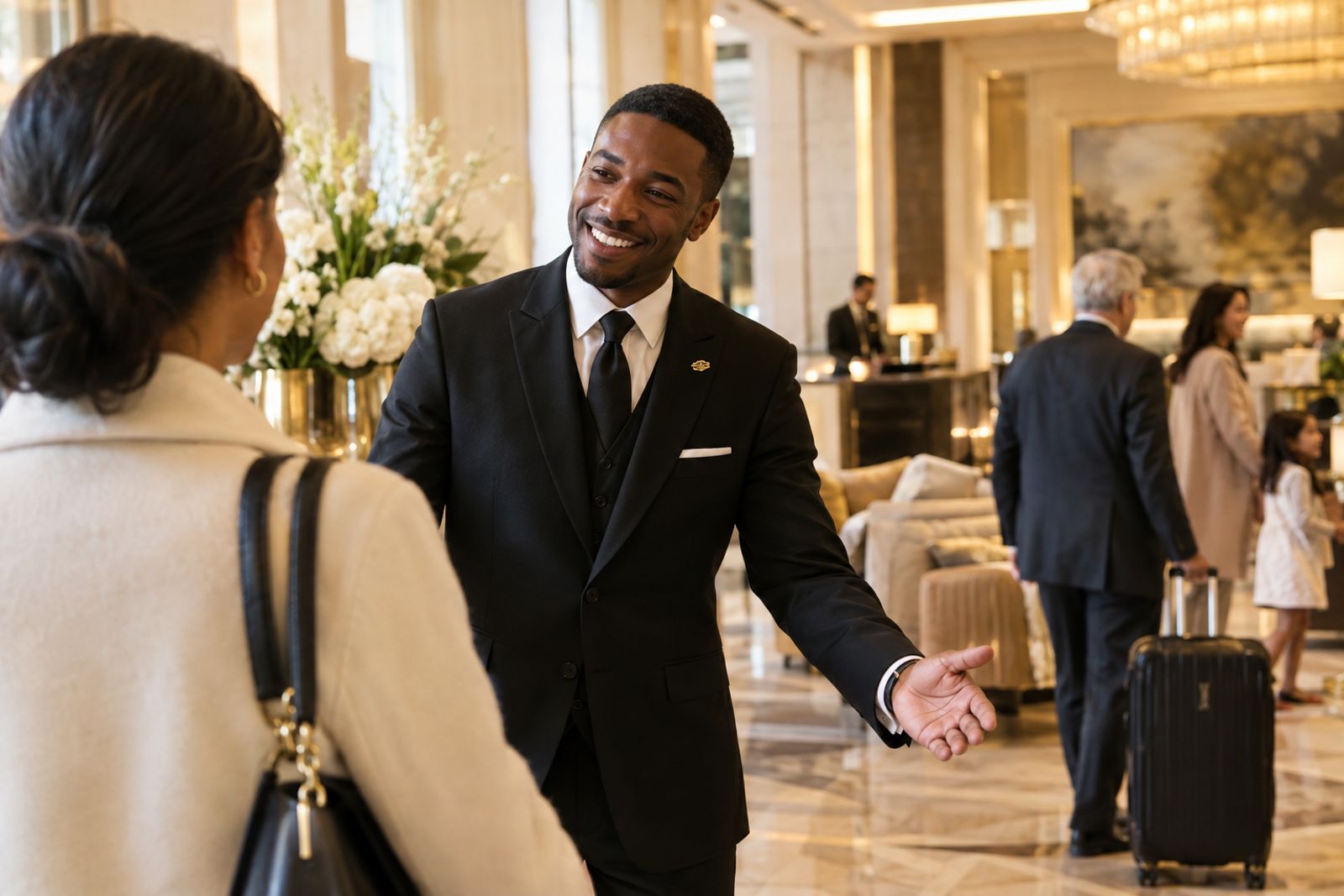
Hospitality, at its core, is the art of making someone feel that they matter.
That sounds simple. It isn’t.
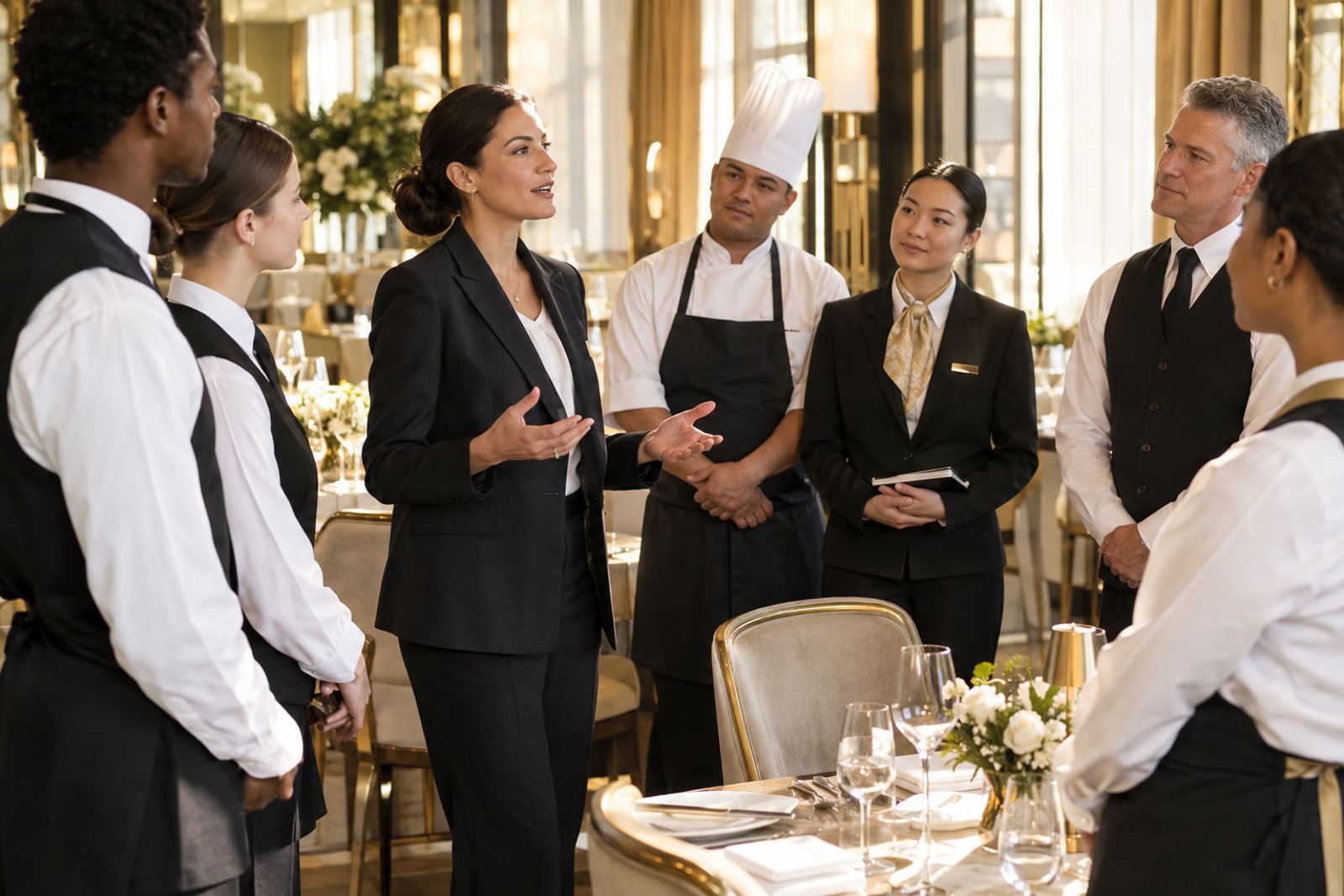
It requires reading people — understanding what they actually need, not just what they ask for. It requires your team to care, genuinely, not just perform caring. It requires systems that support humanity instead of suppressing it. And it requires leaders who model it every single day, not just when guests are watching.
The most hospitality-forward organizations in the world — the Ritz-Carlton, Chick-fil-A, Disney, Four Seasons, Aidells — don’t just train service. They build cultures where every person understands that their role is to make someone else’s day better. The industry is almost incidental.
The 4 Pillars of True Hospitality
The 4 Pillars of True Hospitality is THC’s foundational framework for understanding what hospitality really requires — and why most organizations are only practicing one or two of them consistently.
Pillar 1: Presence
The first pillar is being fully present with the person in front of you. Not thinking about the next table, the understaffed shift, or the problem in the back of house. Genuine presence is increasingly rare — and increasingly valuable — in a world engineered for distraction.
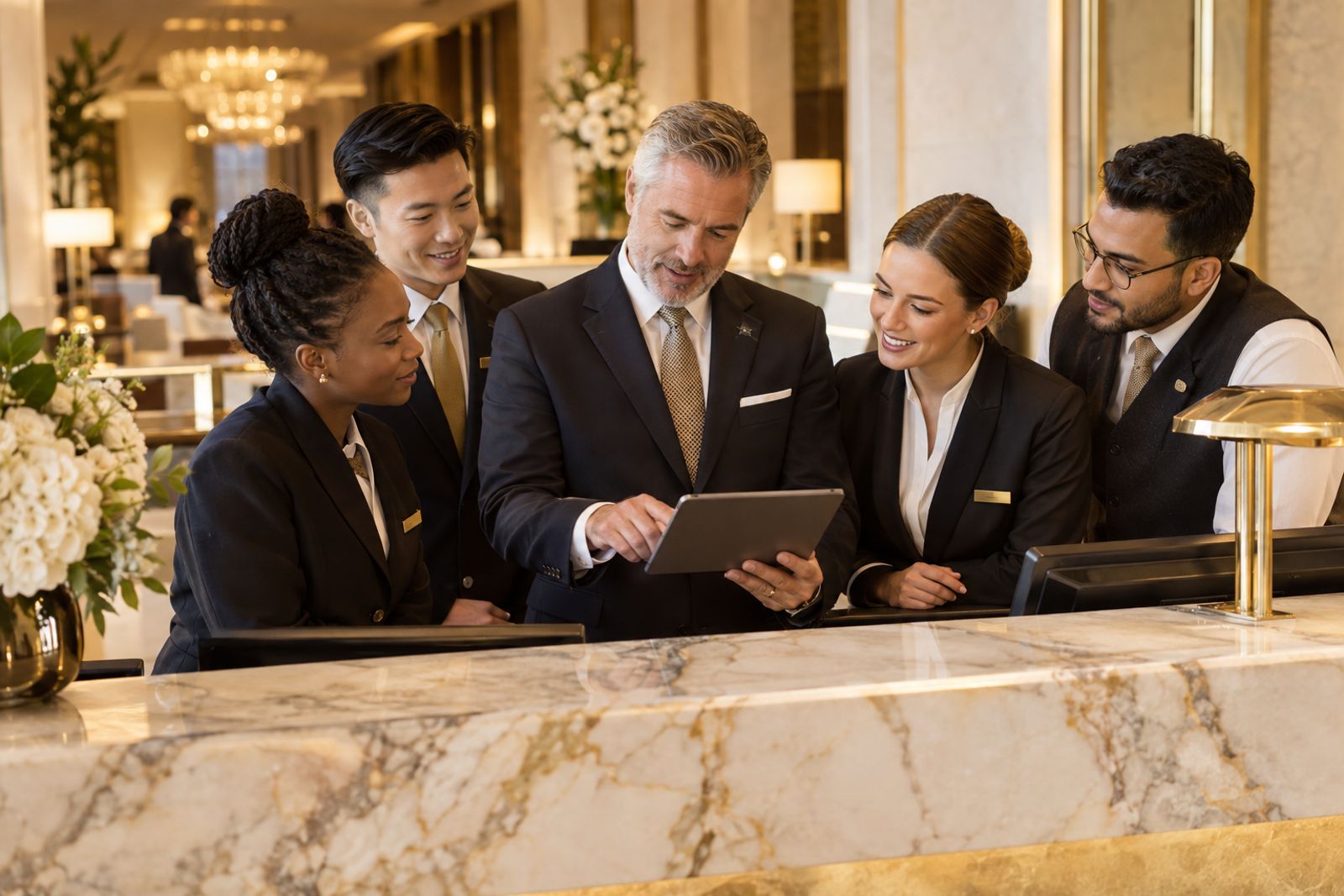
Presence is what transforms a transaction into a moment. It’s the front desk agent who notices the exhaustion in a traveler’s eyes and chooses a room away from the elevator. It’s the server who sets down the phone analogy and actually listens to the table’s energy. You cannot manufacture this with a script.
Pillar 2: Intention
The second pillar is doing things for people, not just to them. Intention is the difference between making a bed and making someone feel at home. It’s the mindset that asks, “What does this person actually need right now?” before reaching for the standard response.
Intentional hospitality is proactive rather than reactive. It anticipates. It personalizes. It creates those small, unrequested gestures that guests remember long after they’ve forgotten the room rate.
Pillar 3: Dignity
Every guest — and every employee — deserves to feel dignified in their interactions with you. Dignity means no one feels small, judged, or invisible. It means your team treats the budget traveler with the same warmth as the luxury suite guest. It means your systems don’t humiliate people when something goes wrong.
This pillar is where a lot of organizations fail quietly. The policies that punish guests for operator errors. The front desk agent who doesn’t make eye contact. The tone that subtly communicates, “You’re a problem I have to deal with.” None of that appears in a review — it just lives in the memory.
Pillar 4: Craft
The final pillar is excellence in execution. Warmth without competence isn’t hospitality — it’s wishful thinking. The food has to be good. The room has to be clean. The check-in has to be smooth. Craft is the technical foundation that allows the other three pillars to shine.
When these four pillars work together — when your team is present, intentional, dignified, and excellent — the result isn’t just good service. It’s the kind of experience people talk about for years.
Why This Definition Changes Everything for Leaders
When you reframe hospitality as a philosophy rather than a function, your entire approach to leadership shifts.
You stop asking, “Are my team members following the standard?” and start asking, “Do my team members understand why this matters?” You stop measuring compliance and start building culture. You stop training behavior and start developing people.
This is the difference between a hospitality operation and a hospitality brand. One delivers a product. The other delivers a feeling. And feelings are what people pay a premium for, return for, and recommend.
The leaders who get this — truly get it — are playing a different game than everyone else. They’re not competing on amenities or price. They’re competing on the emotional impact of every guest interaction. That’s a competition worth entering.
Final thought
The best hospitality leaders we know share one thing in common: they’ve stopped thinking of hospitality as a department and started thinking of it as a standard. Every interaction either raises the bar or lowers it. There is no neutral.
If you’re ready to build a team that lives at that standard, The Hospitality Conference exists for leaders like you. Better Leaders. Stronger Teams. Unforgettable Guest Experiences.
Frequently asked questions
What is the true definition of hospitality?
True hospitality is the philosophy of making people feel genuinely seen, valued, and cared for. It goes beyond service delivery to encompass presence, intention, dignity, and craft — creating emotional connections that make guests feel they matter, not just that their transaction was processed.
What is the difference between hospitality and customer service?
Customer service is a function — a set of tasks performed to meet a guest’s stated needs. Hospitality is a philosophy — a commitment to anticipating and meeting needs guests may not even know they have. Great customer service satisfies; true hospitality delights.
Why is hospitality important in business?
Hospitality builds loyalty, drives word-of-mouth, and creates emotional differentiation that price and amenities can’t replicate. Organizations with strong hospitality cultures consistently outperform their peers in customer retention and brand advocacy.
Is hospitality only relevant to hotels and restaurants?
Not at all. The philosophy of hospitality applies in any context where one person is serving another — healthcare, retail, finance, events, and beyond. The leaders who understand this create competitive advantages their industry peers haven’t even considered.
How do you build a hospitality mindset in your team?
Building a hospitality mindset starts with leadership modeling it consistently, then building systems and rituals that reinforce it. It requires hiring for character, not just skill, and creating a culture where caring for guests is understood as the primary purpose of every role.

Greg Atkinson
Greg Atkinson is the Founder of The Hospitality Conference, the First Impressions Conference, and SpeakerSync. He has spent more than three decades helping leaders create welcoming, unforgettable guest experiences.