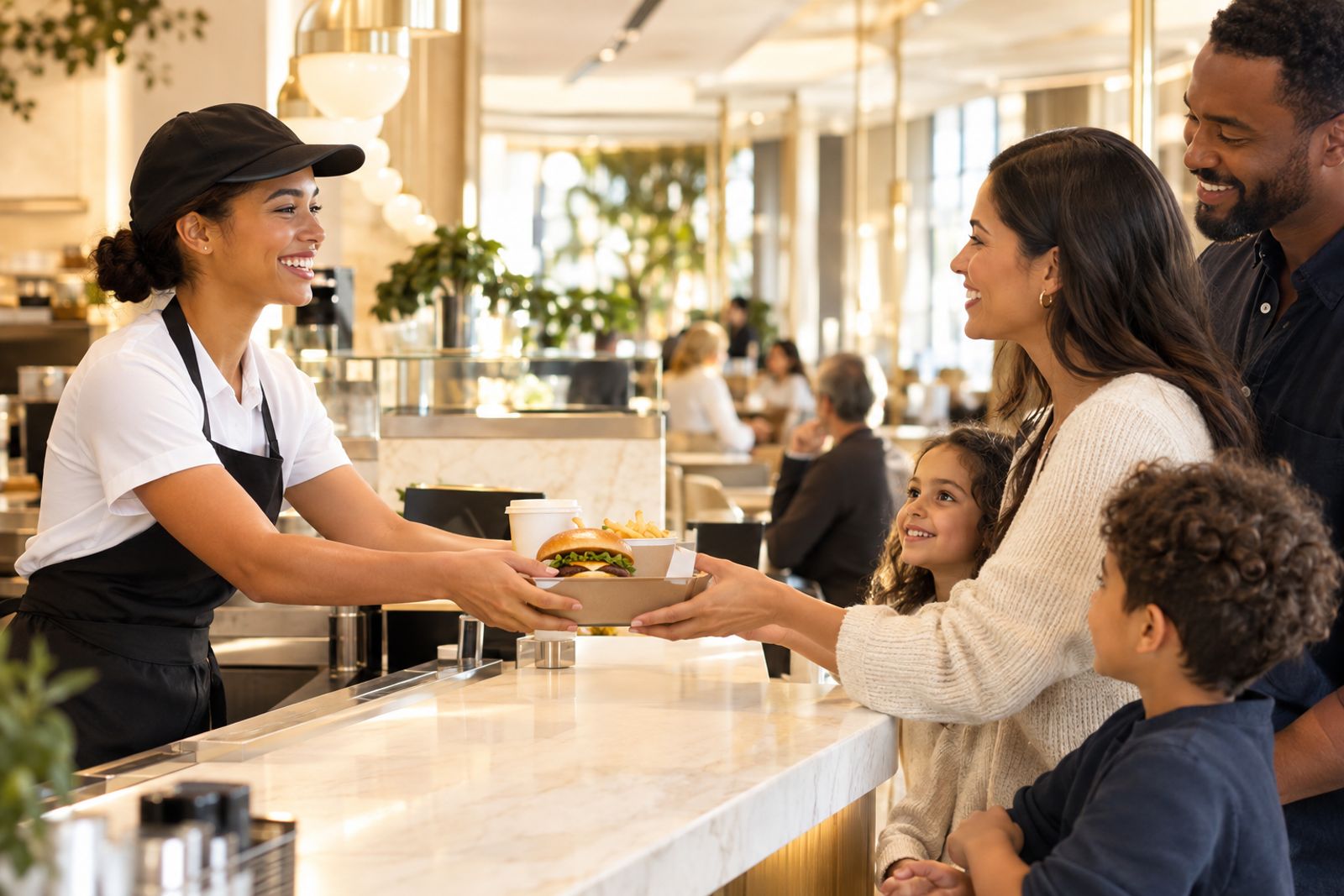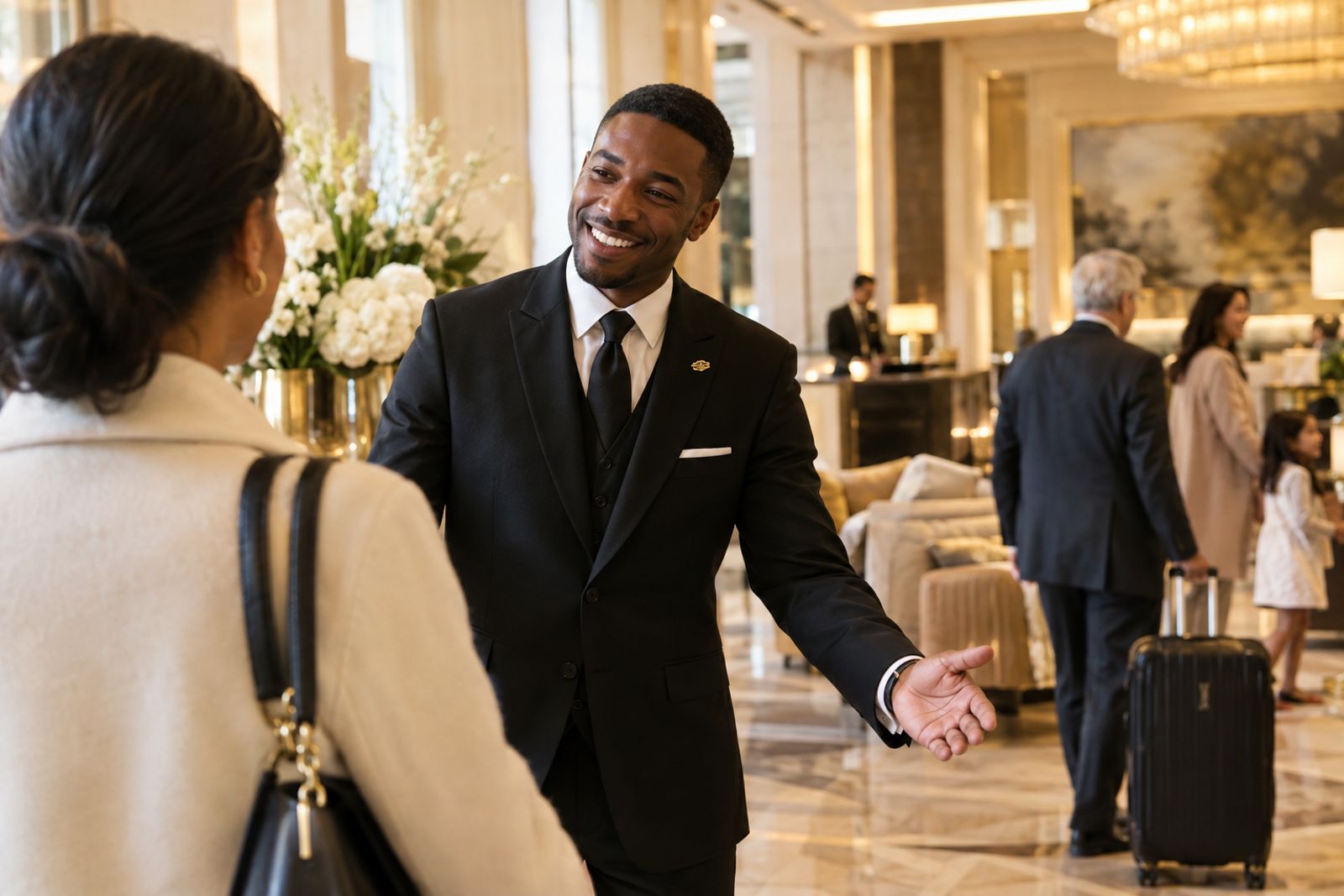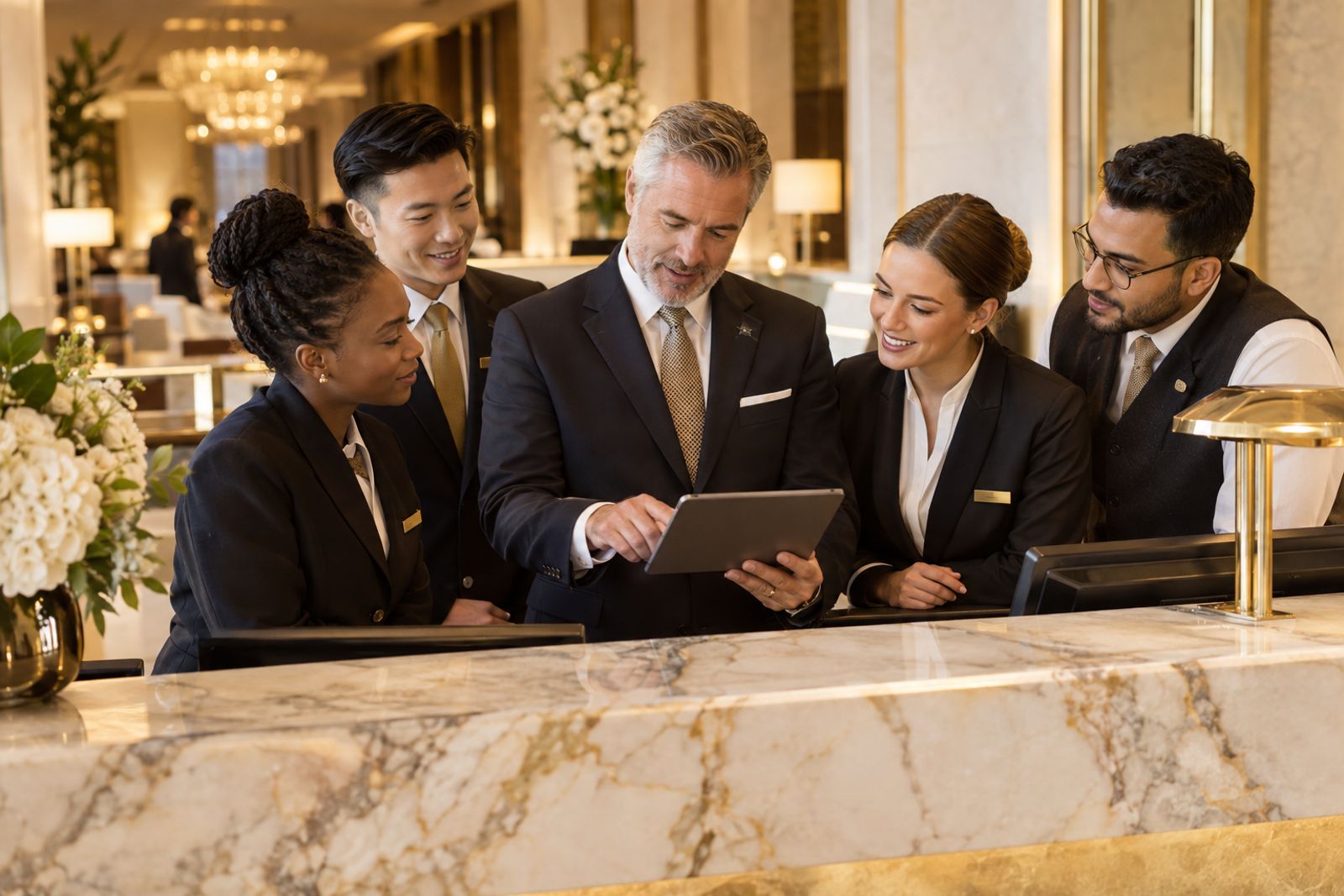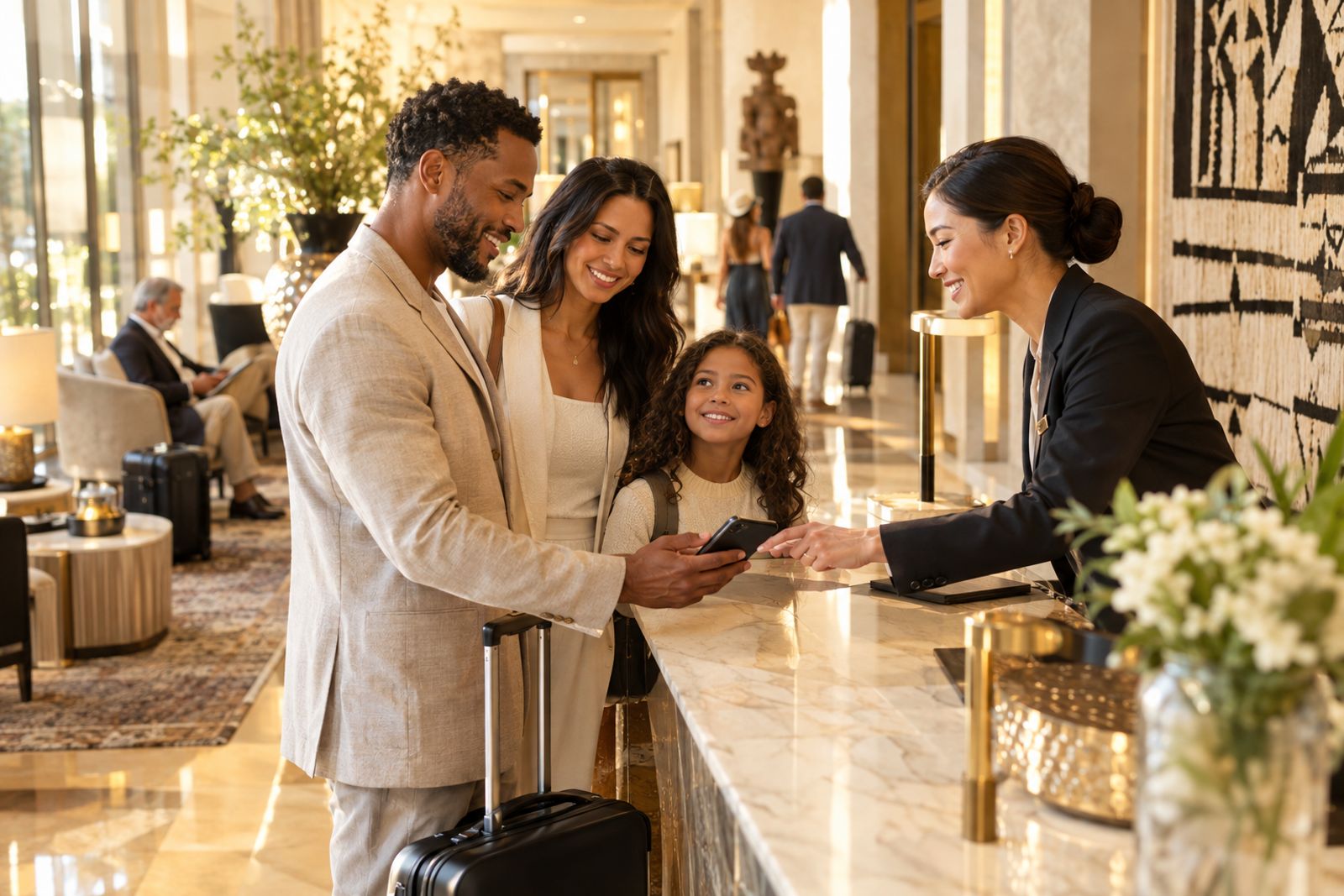
The most significant hospitality trends of 2026 are reshaping guest expectations around personalization, technology, experience design, and the human element of service. Not every trend matters equally — the ones that will change guest behavior are those that address a genuine unmet need, not those that generate conference presentations.
Why Most Hospitality Trend Lists Are Noise
Every year, a new batch of “hospitality industry trends” articles gets published. AI. Sustainability. Wellness. Bleisure travel. Hyper-personalization. Contactless everything.
These lists are not wrong. They’re just incomplete without the critical filter: which of these trends will actually change what guests expect and reward, and which ones will fade back into the background in 18 months?
The leaders who chase every trend end up investing in technologies and programs that don’t move the needle, while the leaders who focus on the right trends — the ones rooted in genuine shifts in guest behavior — build real competitive advantage.
Here’s how to tell the difference.
The THC Trend Watch
The THC Trend Watch is our framework for categorizing and evaluating emerging trends in the hospitality industry. We organize trends into four buckets: Structural Shifts, Behavioral Shifts, Technology Shifts, and Experience Shifts. Structural and behavioral shifts are the ones that genuinely reshape the industry; technology and experience shifts are important but derivative.
Structural Shifts: The Changes That Reshape the Game
The Ownership Model Is Fracturing
The traditional hotel ownership and management structure — owner, brand, operator — is under significant stress. Alternative models, from boutique independents to short-term rental hybrids to branded residences, are fragmenting the competitive landscape. Guests now have more choice than ever, and many of them are choosing authenticity over brand recognition.
The hotels that will thrive are those with a clear identity — a specific sense of place, personality, and purpose — rather than those relying on brand loyalty that is increasingly earned one stay at a time.
Labor Is a Permanent Strategy, Not a Temporary Problem
The staffing challenges that surfaced post-pandemic have not resolved — they’ve evolved. The hospitality industry is facing a structural talent shortage driven by a combination of compensation expectations, culture gaps, and perception issues that require strategic responses, not tactical ones.
The operations that are winning on staffing are those that have redesigned the employee experience with the same intentionality they bring to the guest experience. The connection is direct: great employee experience produces great guest experience.
Behavioral Shifts: How Guests Are Changing
Guests Are Curating, Not Consuming
The modern traveler — particularly in the 30-50 age range that represents peak hospitality spending power — is curating their life, not just consuming experiences. They’re choosing stays, restaurants, and hospitality brands that align with a self-narrative. They want to feel like the experience they chose says something true about who they are.
This has profound implications for how hospitality brands market, design, and deliver experiences. Generic comfort is not a selling proposition anymore. Specific, opinionated experiences are.
Trust Beats Technology
Counterintuitively, as technology has pervaded the hospitality landscape, guests are increasingly reporting that what they value most is human connection. The AI chatbot that answers every question efficiently is valued less than the concierge who remembers their preference from a previous stay.
This doesn’t mean technology isn’t important. It means technology should be deployed in service of human connection, not as a replacement for it. The properties winning on guest satisfaction are using technology to free their teams to connect — not to reduce the number of human interactions.
Technology Shifts: The Tools Reshaping Operations
AI Is Moving From Marketing to Operations
2025 and 2026 have seen AI move from headline to operational reality in hospitality. Predictive demand forecasting, dynamic pricing optimization, maintenance prediction, and personalized communication are all areas where AI is delivering measurable value to hotel operations.
The leaders who will extract the most value are those who approach AI as an operational tool rather than a guest-facing novelty. AI-powered personalization is powerful when it serves the guest; it’s off-putting when guests feel surveilled.
The Tech Stack Is Consolidating
The era of point solutions — one tool for each operational function — is giving way to integrated platforms that allow genuine data connectivity across the guest journey. This matters because personalization requires data, and data that lives in silos produces nothing.
The operations that invest in genuine data integration will have significant advantages in personalization, anticipation, and service recovery — all the areas where guest loyalty is actually won.
Experience Shifts: What Guests Want to Feel
Wellness Is Expanding Beyond the Spa
The wellness trend in hospitality has matured from “we have a spa” to a genuinely holistic approach to how the property supports the physical and mental health of guests. Sleep quality, food quality, noise management, natural light, and access to nature are all increasingly central to the positioning of premium hospitality brands.
Leaders who are still treating wellness as a department should start thinking about it as a design principle that touches every aspect of the guest experience.
Local Authenticity Has Won
The era of the identical hotel lobby that could be in any city in the world is over for premium hospitality. Guests are explicitly seeking properties that feel rooted in their specific place — locally sourced food, locally inspired design, programming that connects guests to the genuine culture of where they are.
This is not a trend that will reverse. It’s a permanent shift in what guests are willing to pay a premium for.
Filtering the Trends That Matter for Your Operation
Not every trend applies equally to every operation. Here’s a simple filter:
Does this trend address a genuine unmet need of my specific guest? If yes, it merits investment. If no, it’s a conference topic.
Does my team have the capability and culture to execute this well? A trend poorly executed is worse than not executing it at all. Guest-facing AI that frustrates is worse than no AI. A wellness program without genuine culture behind it is marketing, not hospitality.
Will this create measurable loyalty in 12 months? The right metric for trend investment is guest return rate and recommendation rate — not buzz, not press coverage, not competitor envy.
Final thought
Trends are input data for leaders. The ones who build durable competitive advantage aren’t the fastest to adopt every trend — they’re the most disciplined in filtering for the ones that genuinely serve their guests and align with their culture.
The Hospitality Conference brings together the voices shaping where hospitality is actually headed — not where the conference circuit says it’s going. Better Leaders. Stronger Teams. Unforgettable Guest Experiences.
Frequently asked questions
What are the biggest trends in the hospitality industry in 2026?
The most significant trends include the shift toward curated, identity-driven experiences; AI moving from marketing to operational deployment; wellness expanding as a holistic design principle; the demand for local authenticity; and the recognition that human connection remains the most valued element of premium hospitality.
How is technology changing the hospitality industry?
Technology is consolidating around integrated platforms that enable genuine personalization through connected guest data. AI is improving operational efficiency in areas like demand forecasting and maintenance prediction. The most successful operators are using technology to enable human connection rather than replace it.
What do hotel guests want in 2026?
Hotel guests in 2026 are seeking specific, opinionated experiences that feel authentic to their location; genuine human warmth that makes them feel known and anticipated; and consistency across every touchpoint of their stay. They want to feel curated to, not processed.
What is the future of the hotel industry?
The hotel industry is moving toward a bifurcated market: branded properties that compete on reliability and points programs, and independent or distinctive properties that compete on identity, authenticity, and genuine hospitality. The middle is increasingly difficult to sustain.
How is sustainability affecting hospitality trends?
Sustainability has moved from a marketing checkbox to a genuine operational expectation, particularly among younger high-spending guests. Properties that integrate sustainability authentically — not performatively — are seeing it support both loyalty and pricing power.

Greg Atkinson
Greg Atkinson is the Founder of The Hospitality Conference, the First Impressions Conference, and SpeakerSync. He has spent more than three decades helping leaders create welcoming, unforgettable guest experiences.