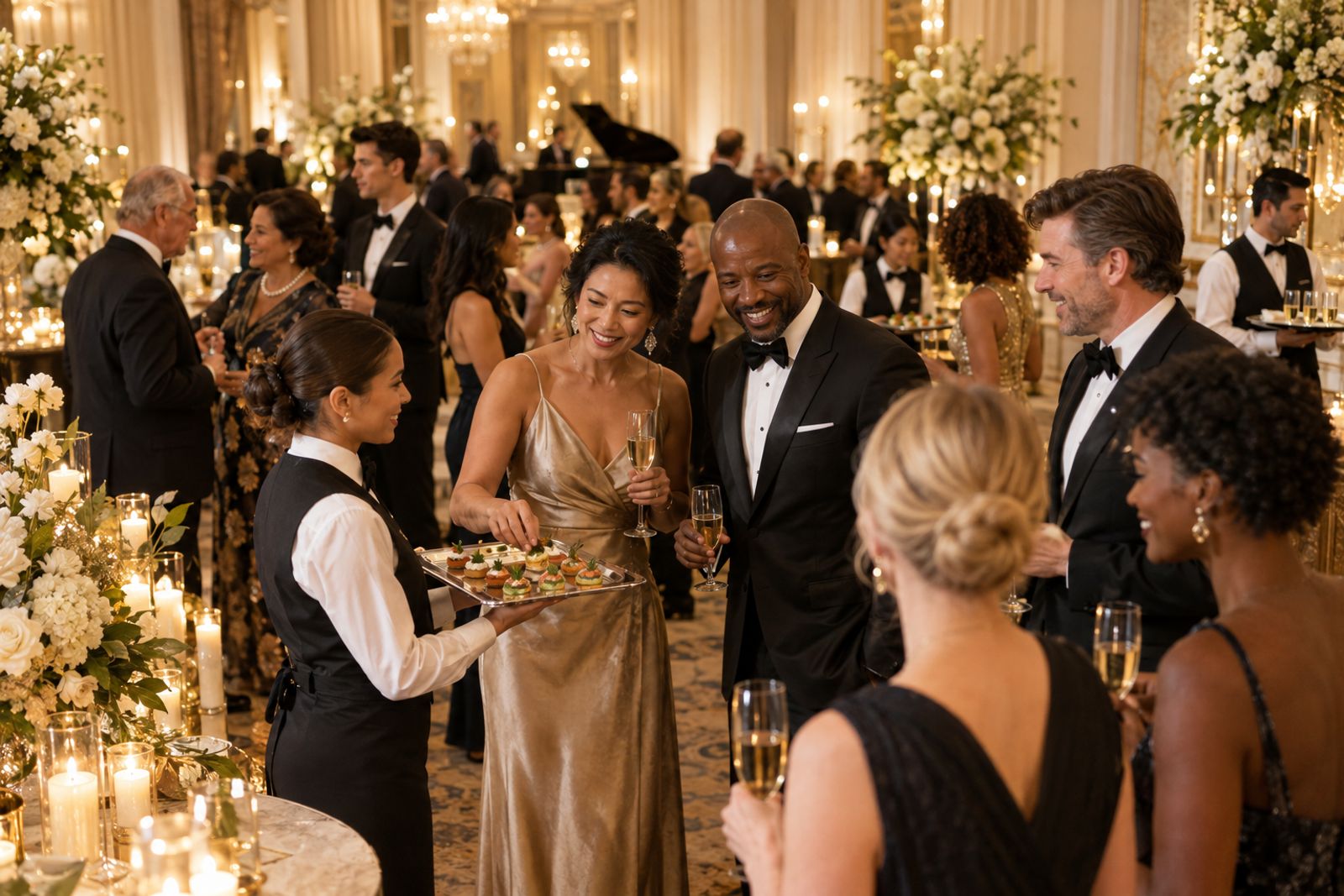
Event hospitality is the practice of designing every moment of an event — from the invitation to the final farewell — around how guests will feel. The most memorable venues, caterers, and planners map the full guest journey, remove friction, personalize where it matters, and train every staff member to act as a host, not just a worker.
Events Are Remembered for Feelings, Not Logistics
Ask someone about the best event they ever attended and they rarely describe the floor plan or the run of show. They describe a feeling: how welcome they felt walking in, a conversation that mattered, a moment that surprised them. Logistics make an event possible. Hospitality makes it memorable.
Yet many events are planned almost entirely around logistics — timelines, vendors, budgets, and AV. Those details are essential, but they are the floor, not the ceiling. The organizations that create unforgettable events plan the emotional experience with the same rigor they apply to the schedule.
Map the Event Guest Journey
Every event has a guest journey with distinct moments. Map them before you plan anything else, and assign an owner to each one.
1. Before the Event
The experience begins with the invitation. Is it clear, beautiful, and easy to act on? Does the confirmation answer the questions guests actually have — parking, dress code, accessibility, dietary options? A thoughtful reminder the day before reduces anxiety and builds anticipation.
2. Arrival and Check-In
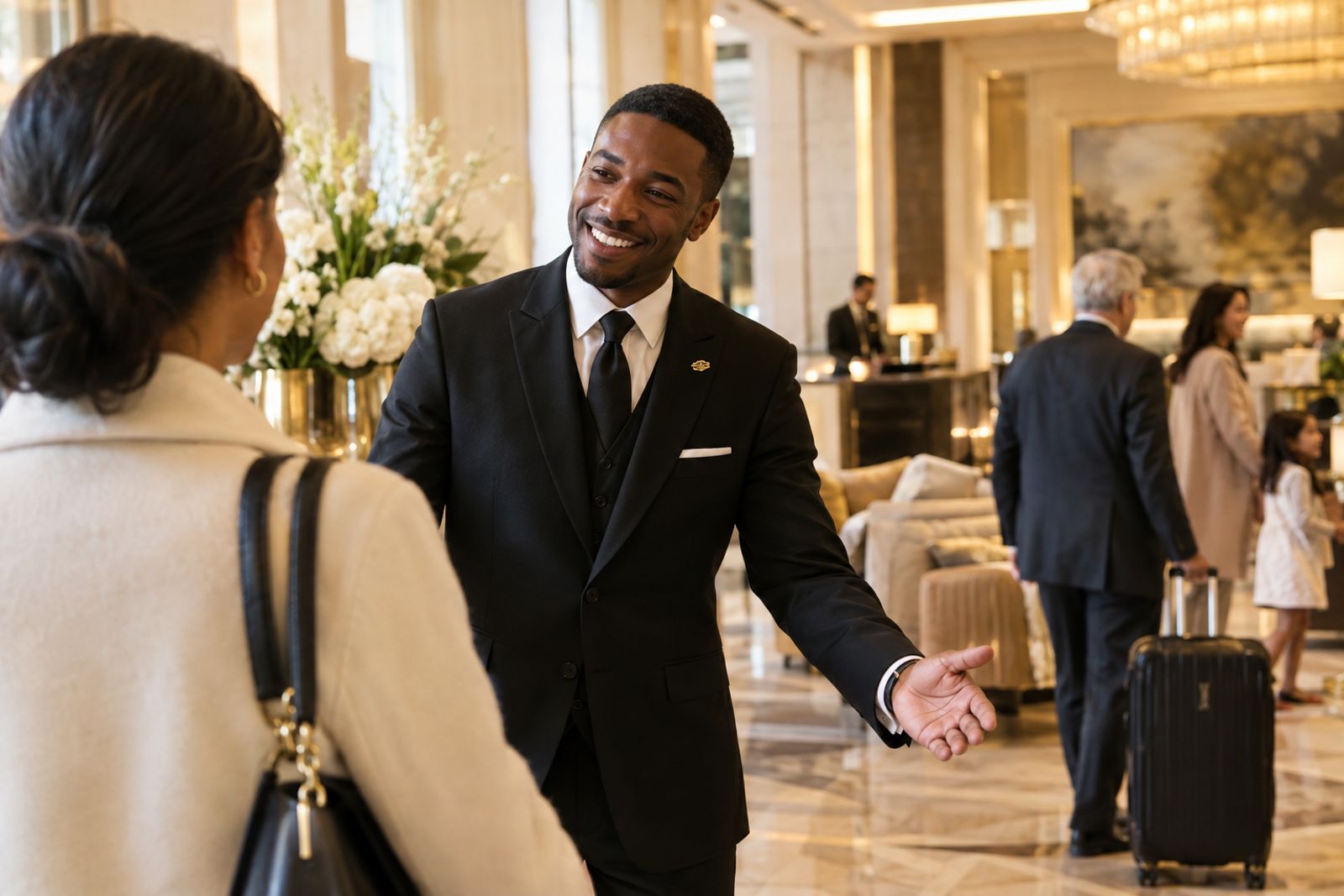
Arrival sets the emotional tone for the entire event. Clear signage, a warm greeting, a fast check-in, and someone to point the way prevent the most common early frustration: feeling lost. A welcome drink or a host stationed at the entrance turns a line into a moment.
Walk the arrival path yourself the day before — from the parking lot to the first seat. Note every moment a guest might wonder, "Where do I go now?" and fix each one with a sign or a person.
3. During the Event
Watch for energy, comfort, and connection. Is the room the right temperature? Are guests standing alone? Are breaks long enough for real conversation? Assign floating hosts whose only job is to notice and help: introducing people, guiding them to seats, and quietly solving small problems before they grow.
4. Food and Beverage
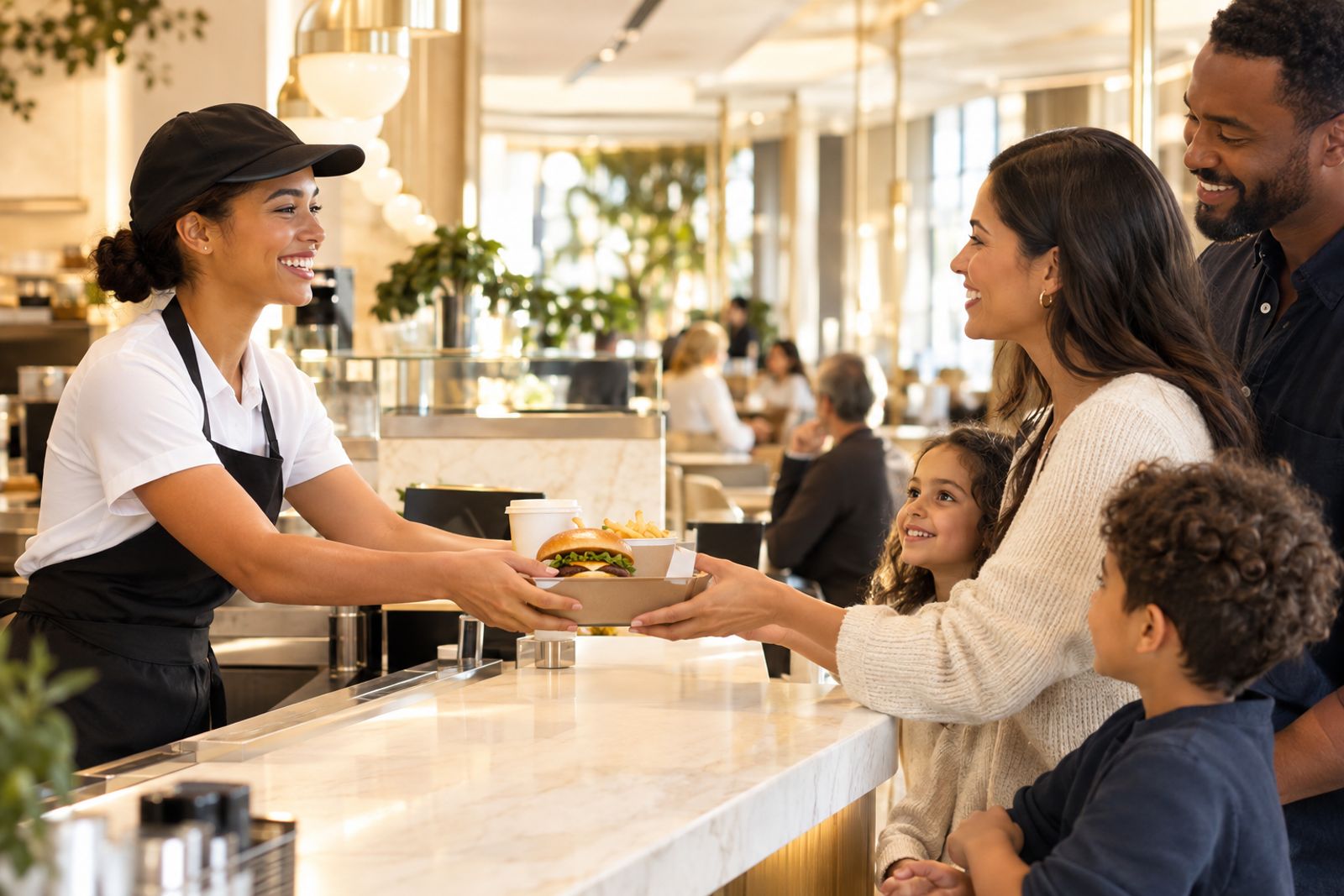
Catering is often the most remembered part of an event. Beyond great food, hospitality shows up in thoughtful details: clearly labeled dietary options, service that moves lines quickly, staff who can answer questions about ingredients, and a pace that lets guests eat without missing what matters.
5. The Farewell and Follow-Up
Endings shape memory. A gracious farewell at the door, a small parting gift, and a thank-you message within a day or two leave guests with a final impression of care. Follow-up surveys show guests their opinion matters — and give you insight for next time.
Make Every Staff Member a Host
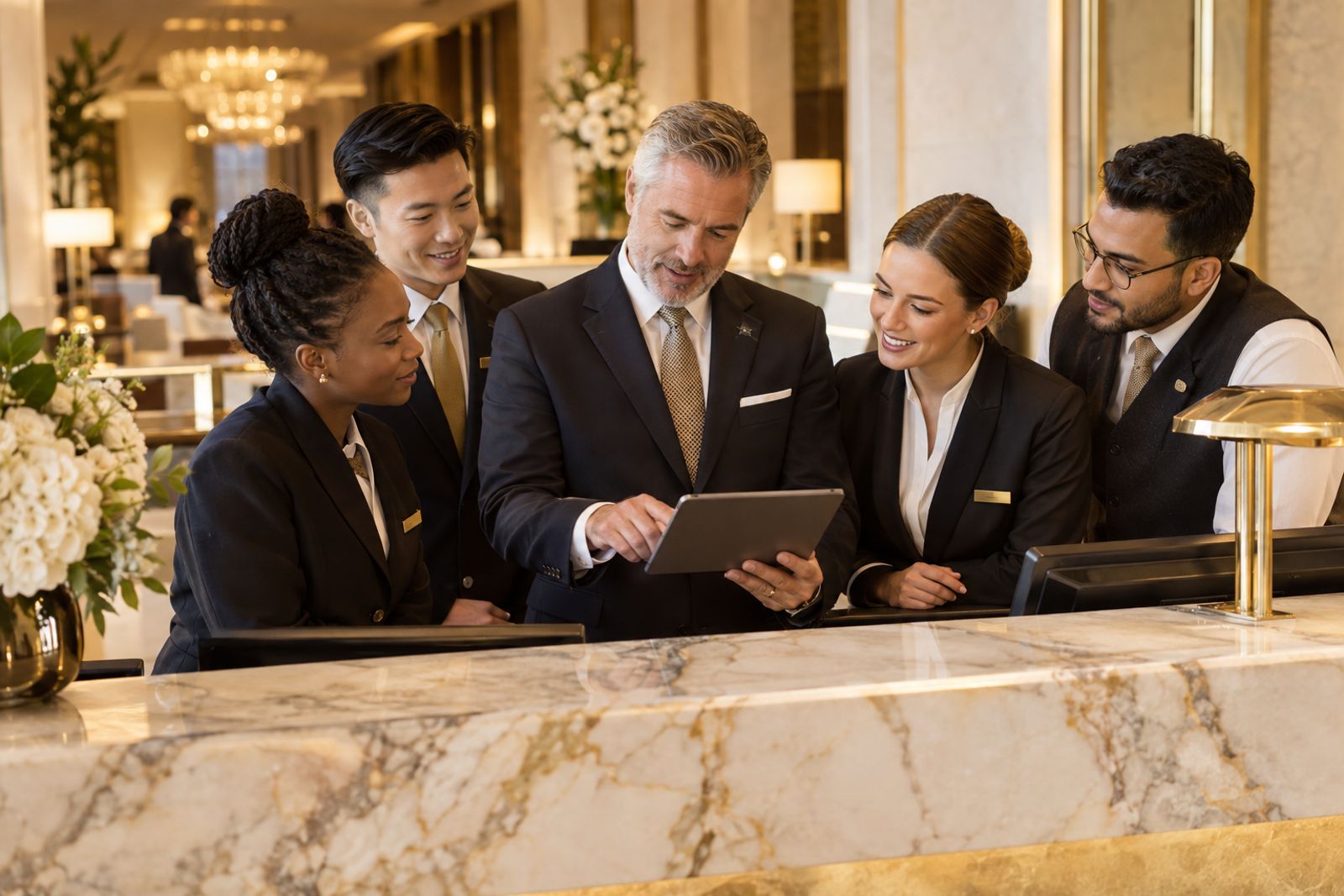
Event staff often include temporary workers, vendor teams, and volunteers who have never met. Brief them together before guests arrive: the purpose of the event, who the key guests are, the tone you want, and how to handle common questions. Give every person permission to solve small problems on the spot. A guest doesn't distinguish between venue staff, caterers, and planners — to them, everyone is the host.
Hold a 10-minute all-hands briefing before doors open, including vendors. Share the event's purpose, three guest details worth knowing, and one sentence describing how guests should feel when they leave.
Personalization at Scale
You can't personalize everything at a large event, but you can personalize the moments that matter most. Greet speakers and VIPs by name. Recognize first-time attendees. Seat guests intentionally so they meet people worth knowing. Small acts of recognition make a large event feel intimate.
Final thought
The best events don't just run smoothly — they make people feel welcomed, connected, and cared for from the first invitation to the final goodbye. That is hospitality in its purest form, and it's exactly the standard The Hospitality Conference was created to celebrate and to model.
Frequently asked questions
What is event hospitality?
Event hospitality is the practice of designing an event around how guests feel at every stage — invitation, arrival, the event itself, food and beverage, and farewell — so that attendees feel welcomed, cared for, and connected.
How can venues improve the event guest experience?
Venues can improve the guest experience by providing clear signage and fast check-in, assigning hosts to greet and guide guests, maintaining comfortable spaces, briefing all staff together, and empowering them to solve small problems immediately.
What makes catering hospitality excellent?
Excellent catering hospitality combines great food with clearly labeled dietary options, efficient service that minimizes lines, knowledgeable staff who can answer ingredient questions, and pacing that fits the flow of the event.
How do you make a large event feel personal?
Focus personalization on the moments that matter most: greet speakers and VIPs by name, recognize first-time attendees, seat guests intentionally, and assign floating hosts to make introductions and help guests connect.
Why is follow-up important after an event?
A prompt thank-you message and feedback survey leave guests with a final impression of care, show that their opinion matters, and provide insights that make the next event even better.

Greg Atkinson
Greg Atkinson is the Founder of The Hospitality Conference, the First Impressions Conference, and SpeakerSync. He has spent more than three decades helping leaders create welcoming, unforgettable guest experiences.